


James R. Clapper Jr., the U.S. director of national intelligence, released three declassified documents Wednesday related to the U.S. government’s mass surveillance programs that were made public by former security contractor Edward Snowden earlier this spring.
According to the Office of the Director of National Intelligence, the decision to declassify the documents was made in the “interest of increased transparency.”
The largely redacted documents include the 2009 and 2011 reports on the National Security Agency’s “Bulk Collection Program” under the U.S. Patriot Act. The third document is an April 2013 order from the Foreign Intelligence Surveillance Court that described how the data should be stored and accessed once it is collected.
The April 2013 formal order from the court is reportedly the document that preceded the “secondary order” Verizon documents that Snowden leaked to The Guardian reporter Glenn Greenwald.
A report from the Washington Times said the documents showed that there have been “a number of technical compliance problems” with the phone-snooping program, which some lawmakers have called a “critical tool in the war on terror.”
While the 2009 document acknowledges that the intelligence community found a number of problems, the 2011 document says officials have not « found any intentional or bad-faith violations.”
Clapper has said in recent weeks that he is committed to making the agency more transparent. He has reportedly been trying to declassify some detailed court opinions, hoping the public sees the value in the surveillance programs.
But some critics of the programs, including Jameel Jaffer, deputy legal director of the American Civil Liberties Union, say that while it’s great the government has released the document, “The legal framework that regulates government surveillance is fundamentally broken.”
Jaffer will testify Wednesday on a panel along with Stewart Baker, an attorney who formerly served as the NSA’s top lawyer, and Judge James G. Carr, who used to be a member of the secret court.
According to the Washington Times, Baker has long defended the NSA’s activities.
“If you’re gonna give that secret to 535 [members of the House and Senate], how long do you think it’s gonna remain secret? … I would say about 10 minutes,” he said when asked by Rep. Justin Amash (R-Mich.) how a free country can have secret laws.
Seeking support
On Tuesday afternoon, officials from the Obama administration said they would declassify the April 2013 court order to Verizon, which forced the telecommunications giant to disclose phone records for a large number of Americans.
The administration said they wanted to release the document before a Senate Judiciary Committee scheduled for Wednesday featuring officials from the Justice Department, NSA and the Office of the Director of National Intelligence.
Since Snowden first leaked information about the U.S. government’s mass spying programs this spring, White House officials and several other lawmakers have defended the mass surveillance programs, saying the information is necessary in order to effectively protect national security.
A senior Obama official told CNN on Tuesday that the administration wanted to provide additional information to the American public about the classified programs to help boost support for retaining them.
But as the Associated Press reported, the documents don’t provide much information about the “legal analysis that underpinned the widespread surveillance,” since the documents only broadly explain how NSA officials used the collected data.
“One particular type of analysis, called ‘hop analysis’ is hinted at but never fully discussed” in the document, the AP reported.
A hop analysis “allows to the government to search the phone records of not only suspected terrorists, but everyone who called them, everyone who called those people, and others who called them, as well.”
Many privacy rights advocates and journalists are concerned that based on that definition, the government was in effect granting itself the legal right to search the records of millions of people in an investigation that was supposed to target a particular individual.
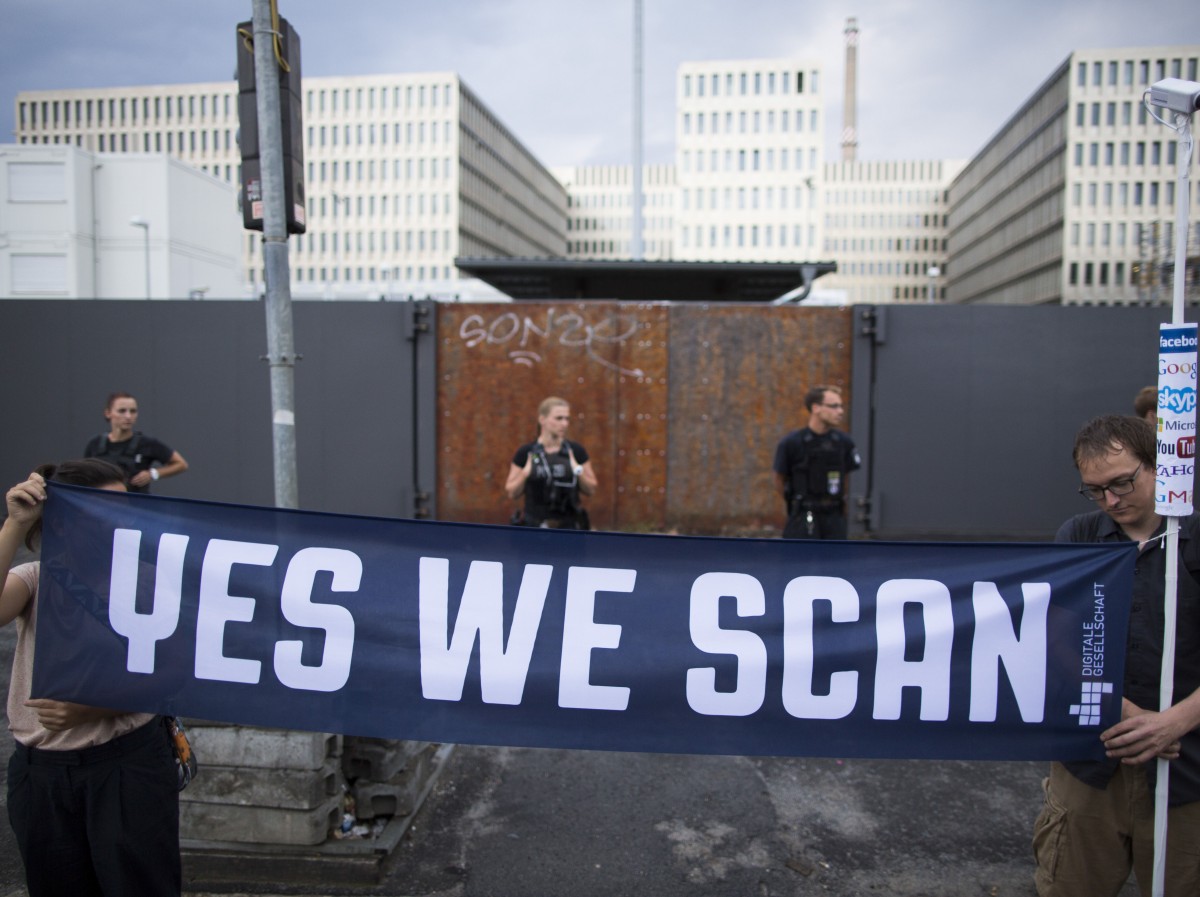
As Mint Press News previously reported, after the American public discovered the extent of the government surveillance, thousands gathered in more than 100 cities across the nation on July 4 to show their discontent. Many argued that the spying programs were an infringement of their Fourth Amendment rights.
The Fourth Amendment to the U.S. Constitution protects the American public from unlawful search and seizure of “their persons, houses, papers, and effects” without probable cause.